
Identification
Services
Understanding the Types of Damp in Properties
Damp is a common issue in buildings that can lead to serious structural damage, health problems, and costly repairs if left untreated. There are several types of damp, each with its own causes, signs, and treatment methods. Here's a quick guide to the most common forms:
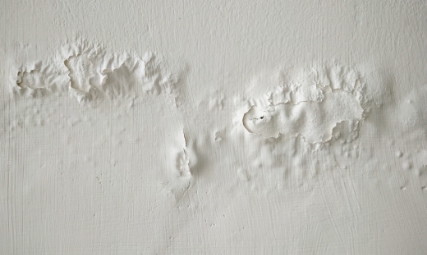
Rising Damp
Rising damp occurs when moisture from the ground travels up through walls and floors via capillary action. It typically affects the lower parts of walls and can cause peeling paint, crumbling plaster, and tide marks. It's often due to a failed or missing damp-proof course (DPC).
- Damp patches on ground-floor walls
- Tide marks and staining
- Decaying skirting boards or floorboards
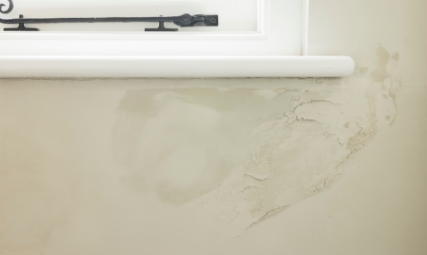
Penetrating Damp
Penetrating damp happens when water infiltrates a building from the outside, usually due to structural issues such as damaged brickwork, leaking roofs, or faulty guttering. It can affect any part of a building, often worsening in heavy rain.
- Localised damp patches on walls or ceilings
- Mould growth
- Dripping or stained walls during or after rainfall
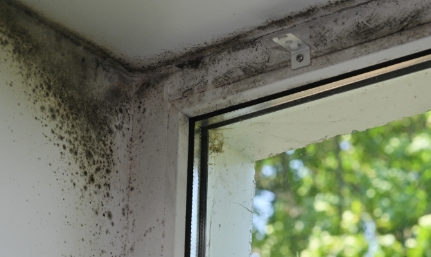
Condensation Damp
Condensation is the most common form of damp and is caused by excess moisture in the air condensing on cold surfaces, like windows and walls. It's often linked to poor ventilation and can lead to black mould growth.
- Water droplets on windows
- Black mould on walls, ceilings, or around window frames
- Musty smells
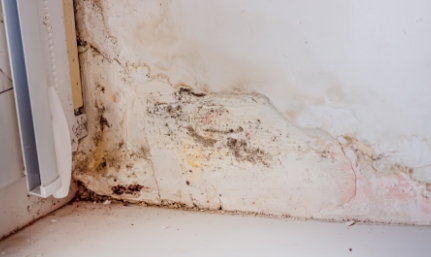
Construction Damp
This type of damp occurs in new buildings or after major refurbishment, where water used in building materials (like plaster or concrete) has not fully dried out. It usually resolves over time with adequate ventilation.
- Damp patches shortly after construction
- Temporary moisture issues
Plumbing Leaks
Leaks from pipes, radiators, or water tanks can also lead to damp patches, often mistaken for other types. These leaks can occur behind walls or under floors, making them harder to detect.
- Persistent damp in one area
- Mould or mildew without an obvious external source
- Damp in ceilings below bathrooms or kitchens
Why Choose Us?

Certified damp specialists with years of experience

Comprehensive surveys with detailed reporting and potential solutions (short and long term)

Friendly, professional service from start to finish
Don’t let damp damage your home. Contact us today for a damp survey, and let’s find the right solution for your property.
Trusted Partners
Accreditations